
Postal Biplane
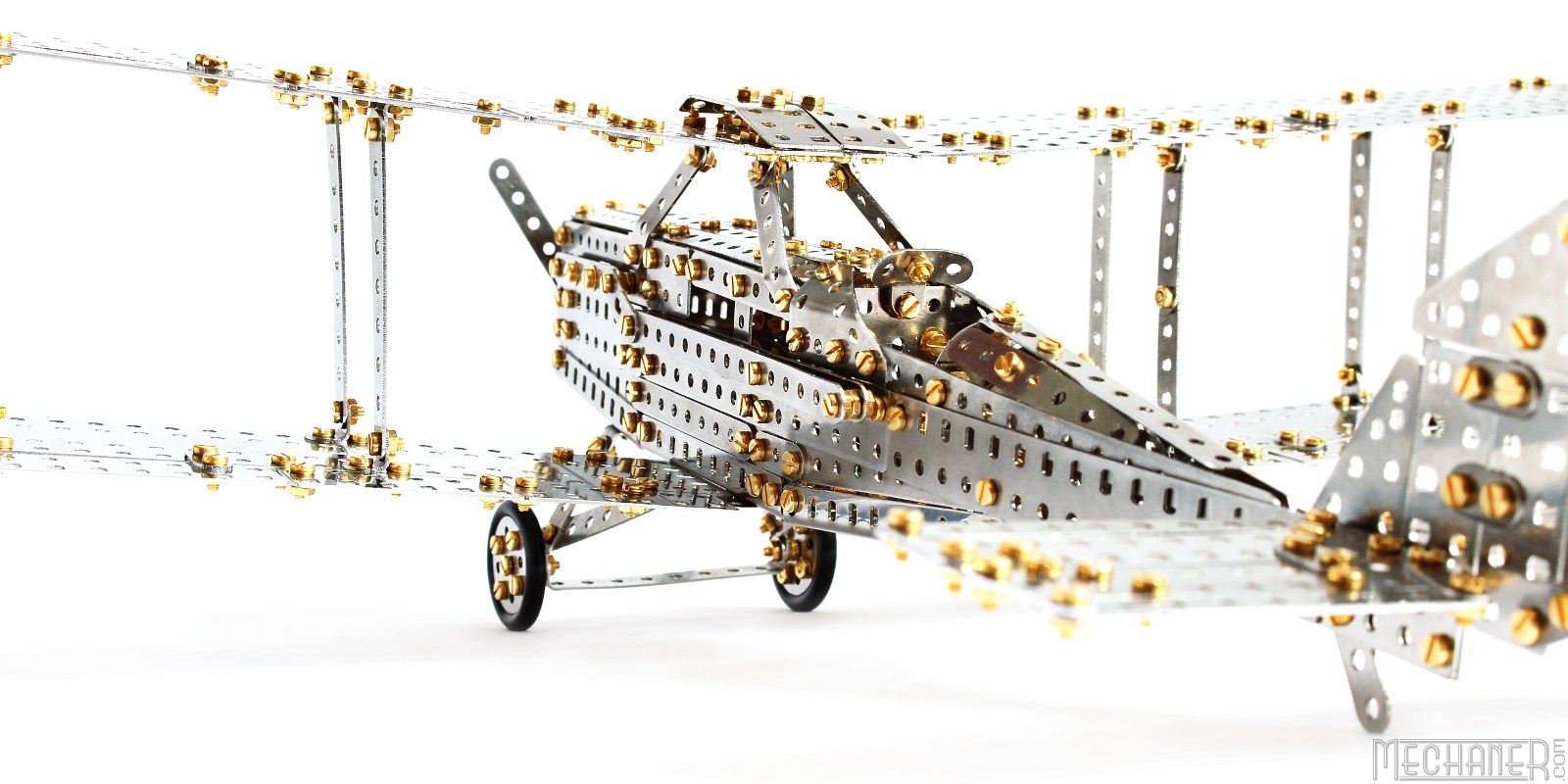
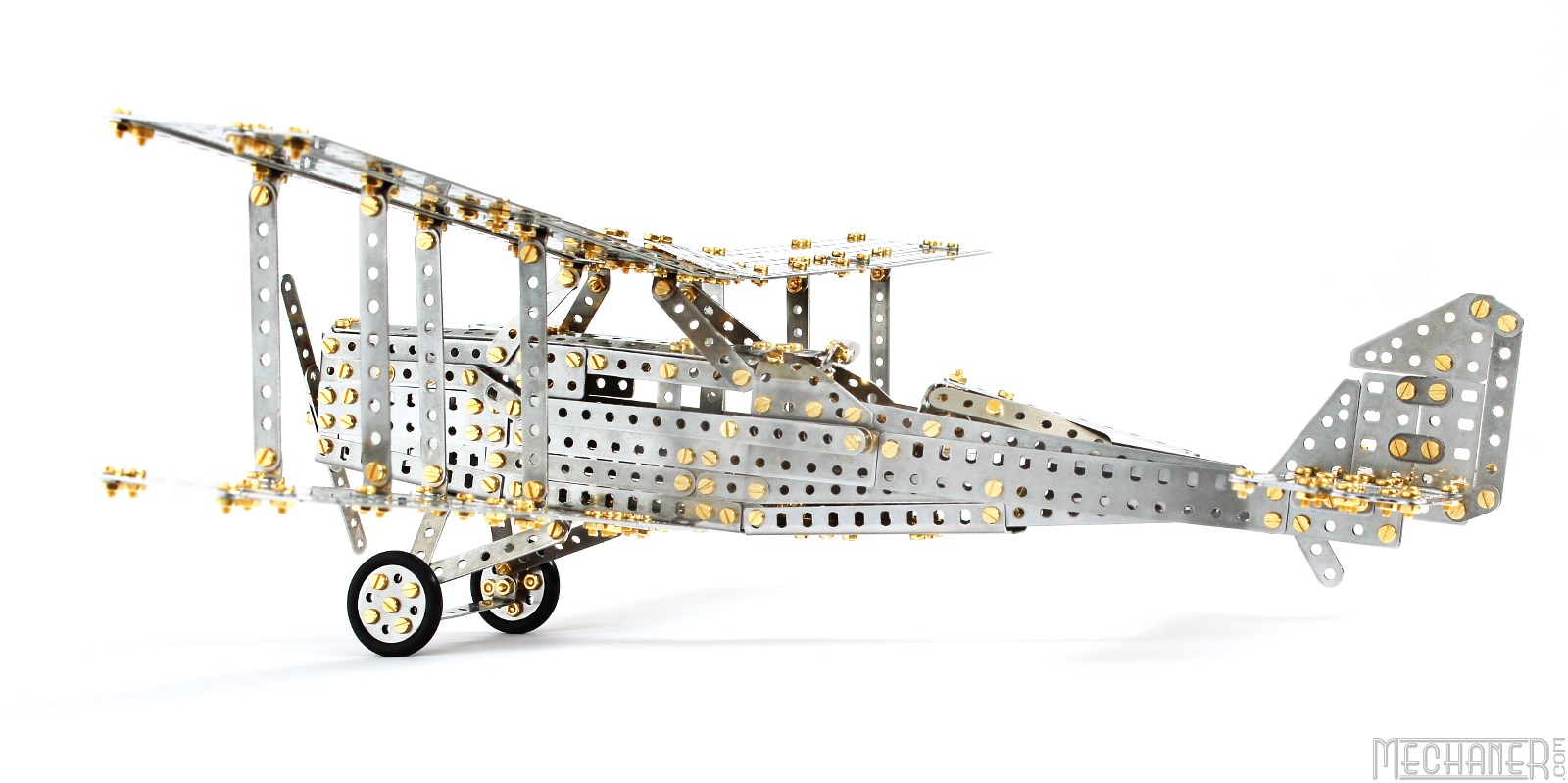
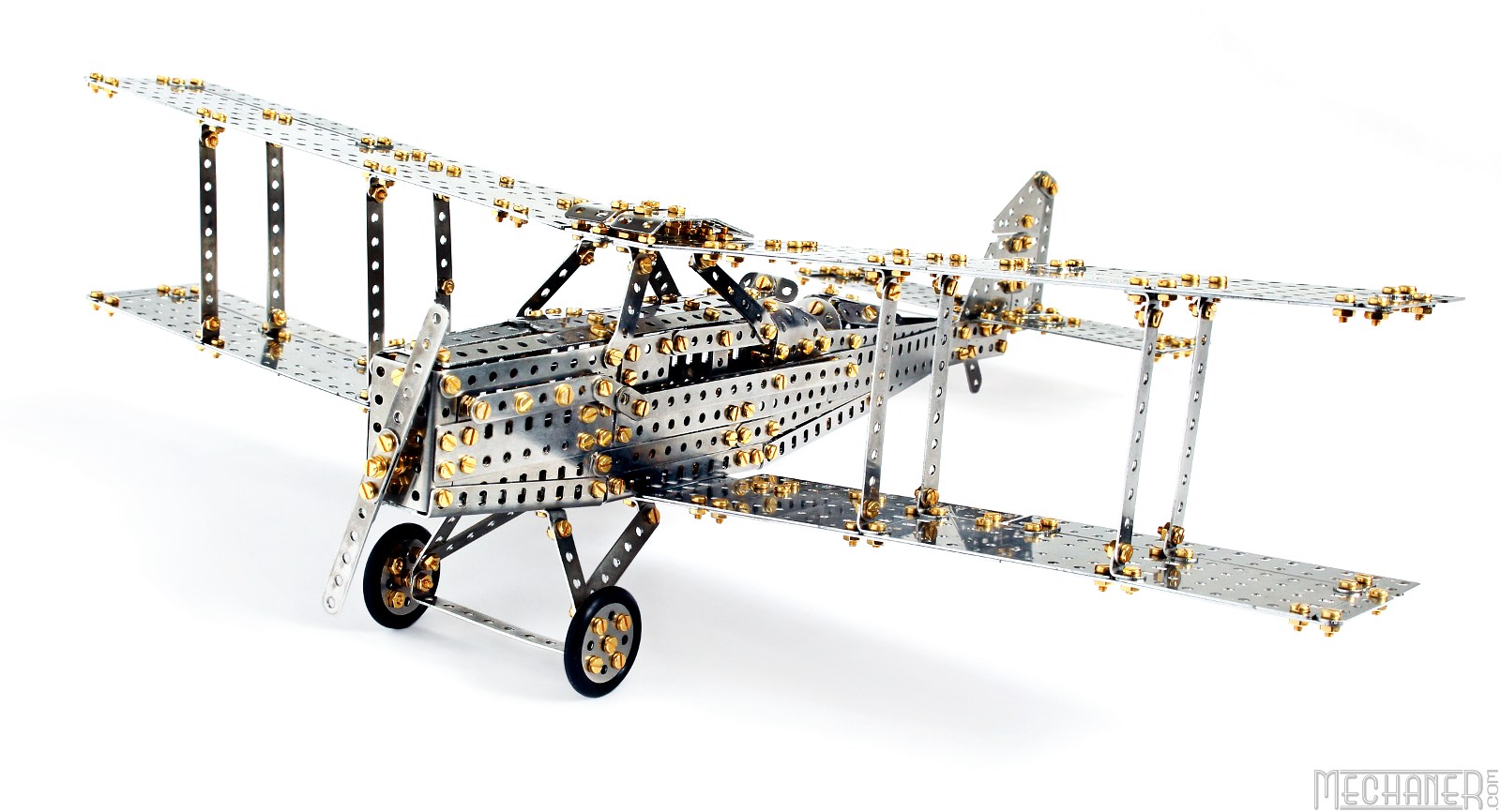
The main inspiration for this postal biplane was the silhouette of the de Havilland HD.50 aircraft in its Czech licensed version with a Walter inline engine.
Similar biplanes from various manufacturers formed the backbone of new air transport in the 1920s. Besides airmail, which was the main paid cargo for the budding airlines, these biplanes were also used for passenger transport. In front of the pilot's open cockpit was a cabin that could accommodate a few brave passengers alongside the mail bags. The cabin was covered, but certainly not air-conditioned, so passengers were often given a fur coat, and a shot of something strong was offered for courage before the flight.
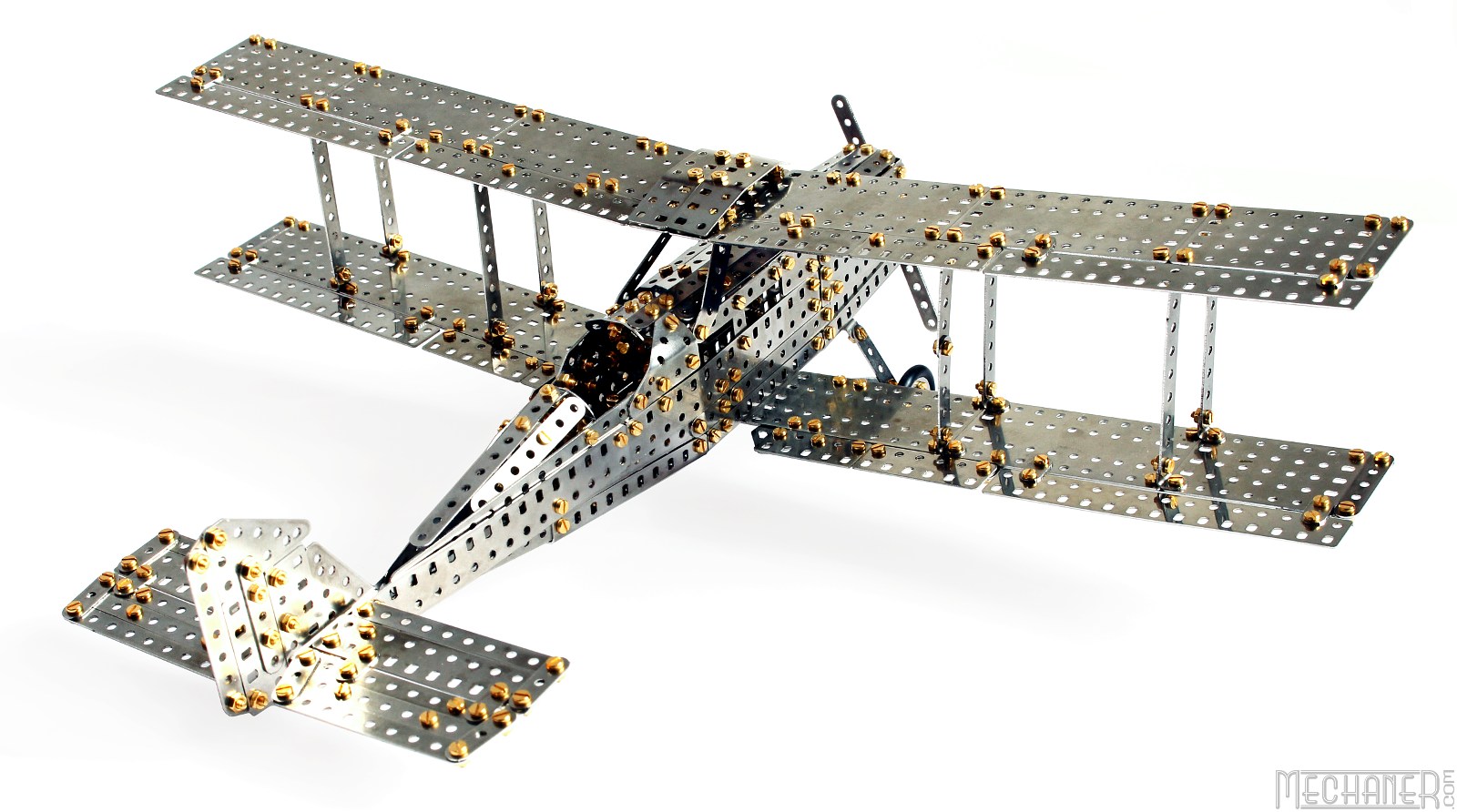
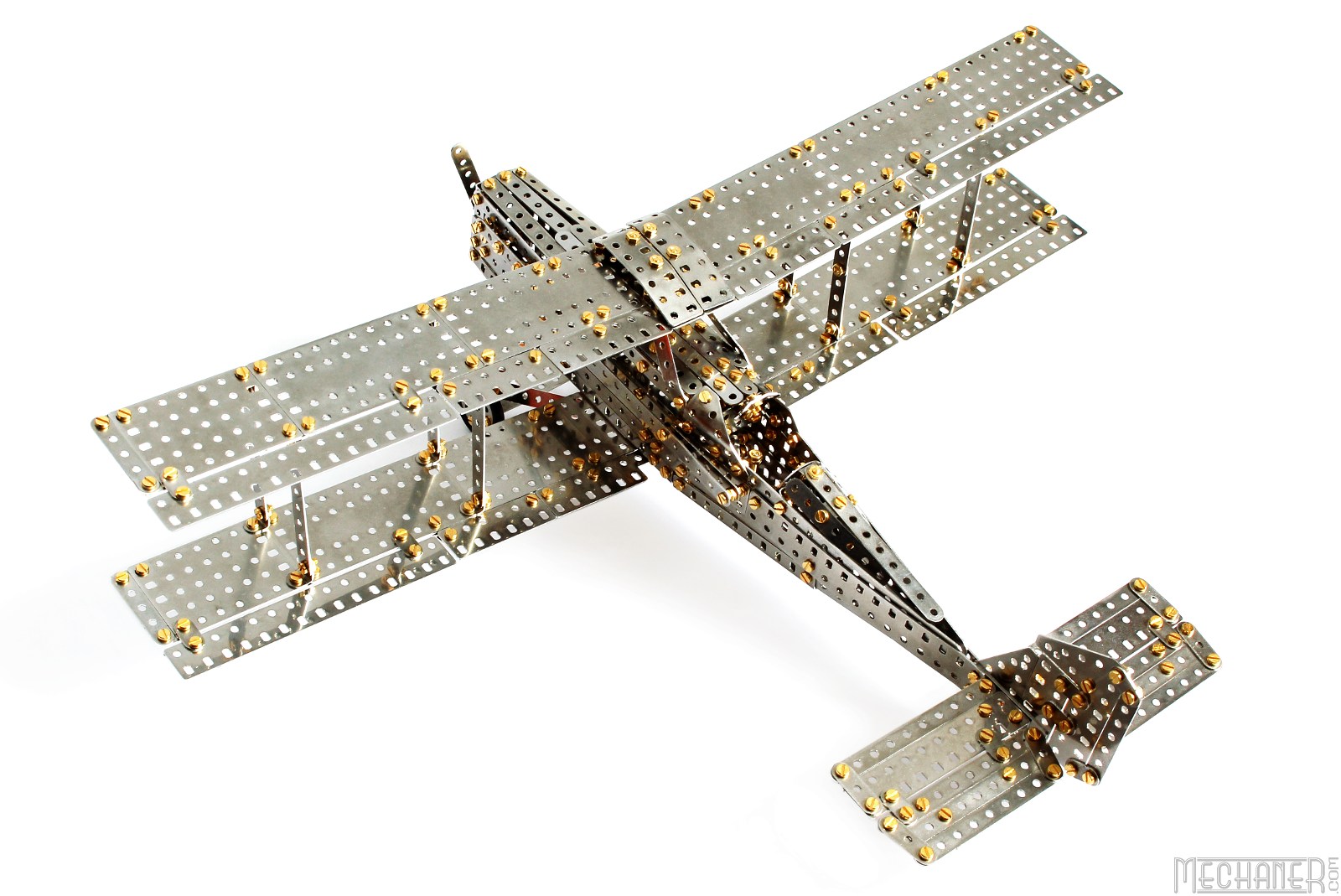
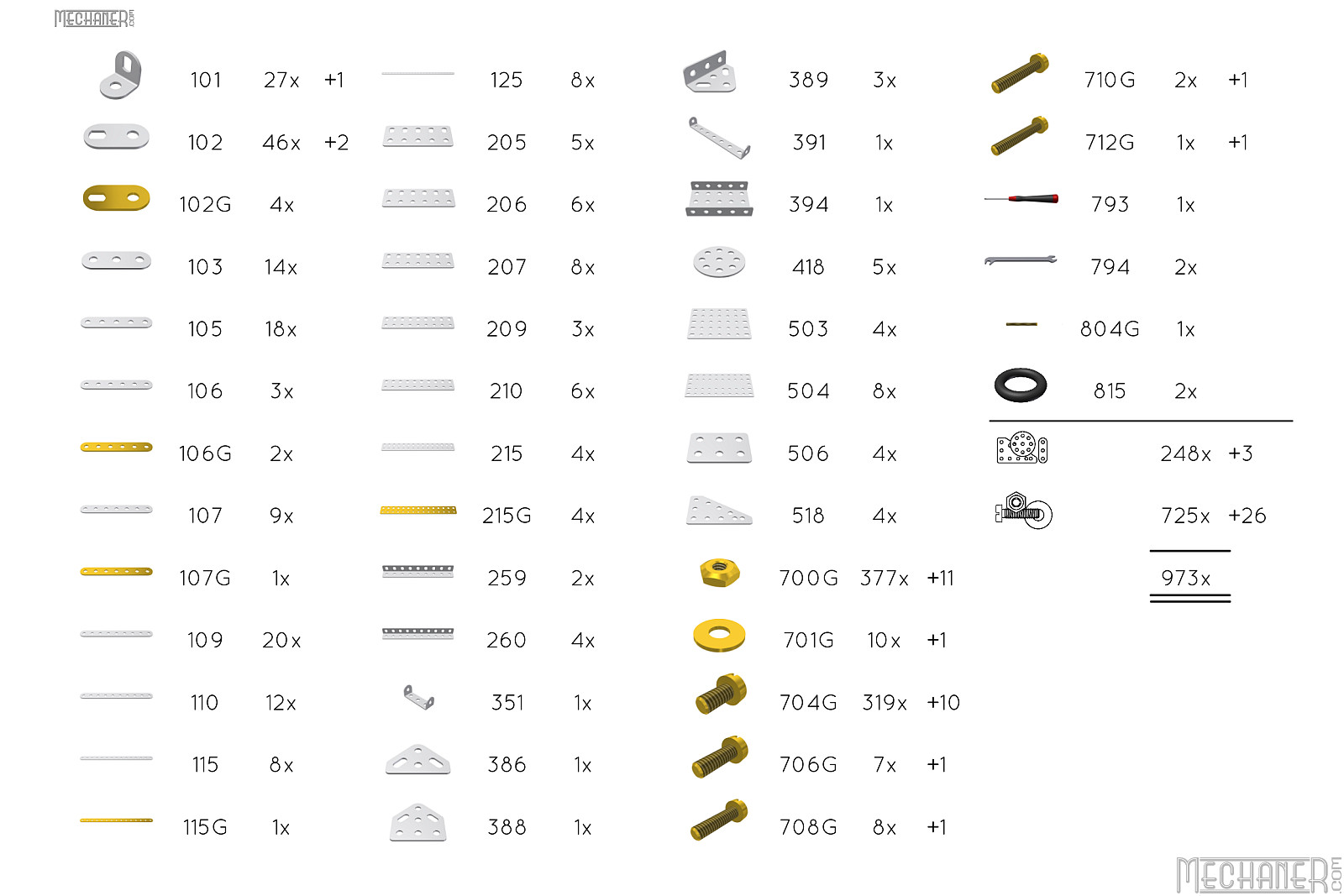
The model is 280 mm (11") long with a wingspan of 360 mm (14"). The entire aircraft is made up of 246 metal parts and 725 pieces of fasteners. The propeller and wheels are movable.
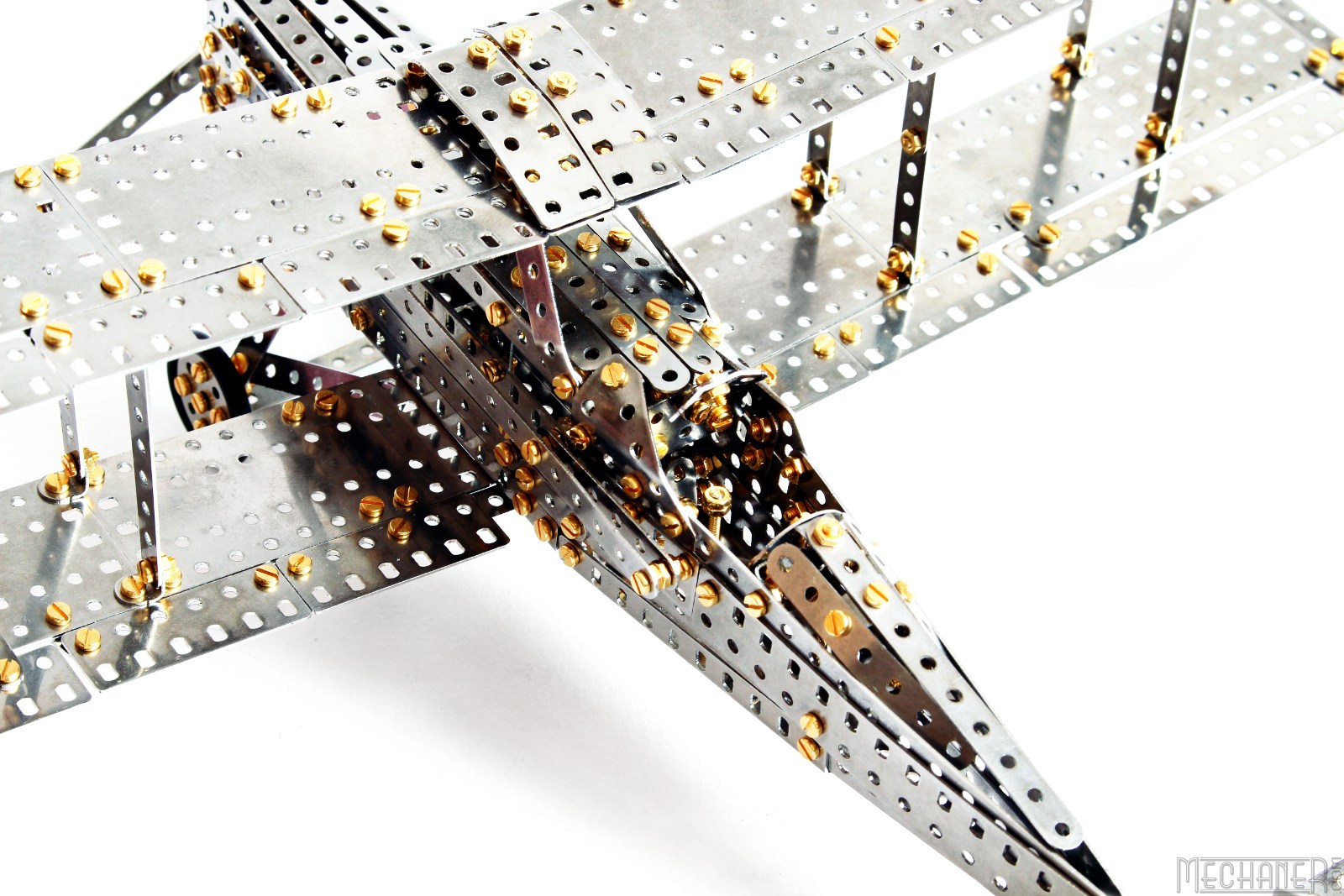
Building the model is moderately complex. The main challenge is constructing the narrow fuselage with its hard-to-reach areas. For the fuselage construction, it's also necessary to precisely bend several strips that form the ribs and give the fuselage its shape.
The photographs show a prototype version without the final gilding. The propeller blades, wing flaps, exhaust, windscreen, and tail skid are intended to be gold-plated.
Add new comment